Buyer Guides
11 min read
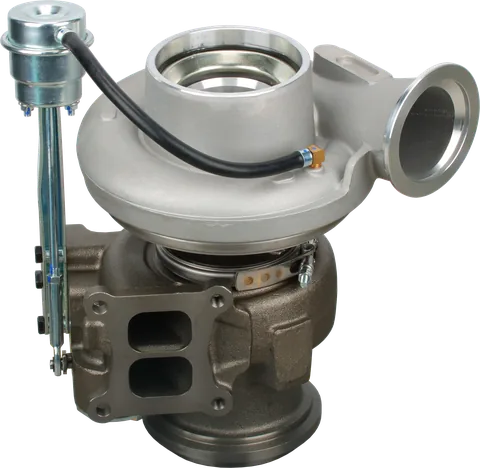
An aftermarket vs OEM turbo comparison is useful only when it checks application fit, manufacturing control, and the evidence behind a new or remanufactured unit.
aftermarket vs OEM turbo
aftermarket vs oem turbocharger
remanufactured vs new turbocharger
Read guide
Buyer Guides
10 min read
Choosing between an air-to-air and a water-to-air intercooler depends on the available cooling source, sustained engine load, service access, and the specifications your diesel was built around.
air-to-air vs water-to-air intercooler
air-to-air vs water-to-air turbocharger intercooler
turbocharger intercooler pressure drop
Read guide
Buyer Guides
11 min read
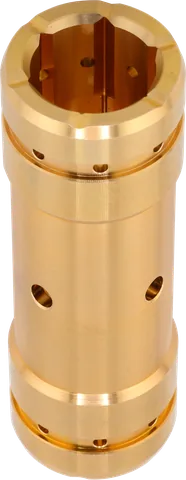
The ball bearing vs journal bearing turbo choice means weighing response, lubrication, repair costs, and compatibility with your engine.
ball bearing vs journal bearing turbo
journal bearing vs ball bearing turbocharger
how do turbocharger bearings work
Read guide
Buyer Guides
10 min read
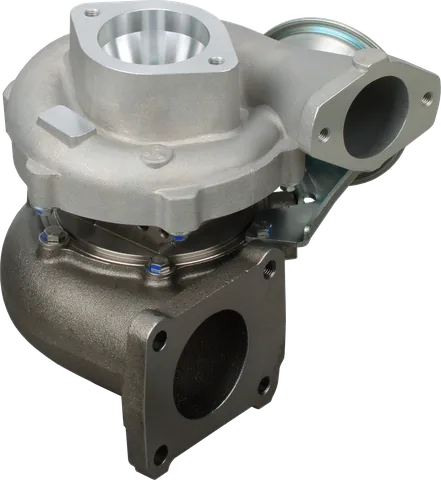
Garrett turbo model numbers describe a design family, but the complete assembly number is what helps identify the correct replacement for your diesel engine.
garrett turbo model numbers
how to read garrett turbocharger tags
garrett turbocharger model number vs part number
Read guide
Buyer Guides
11 min read
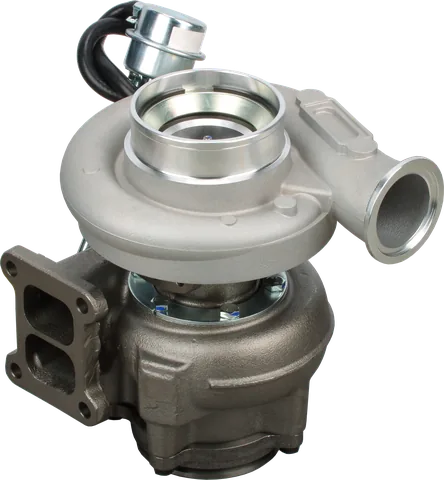
Holset turbo model numbers identify a turbocharger family, but the assembly number and engine details determine which replacement belongs on your diesel.
holset turbo model numbers
how to read a holset turbocharger nameplate
holset hx vs he turbocharger
Read guide
Buyer Guides
11 min read
Learning how to choose a replacement turbo means matching the engine's original specification, verifying fitment, and comparing everything the order includes.
how to choose a replacement turbo
how to choose a replacement turbocharger
will replacing my truck turbocharger restore boost
Read guide
Buyer Guides
12 min read
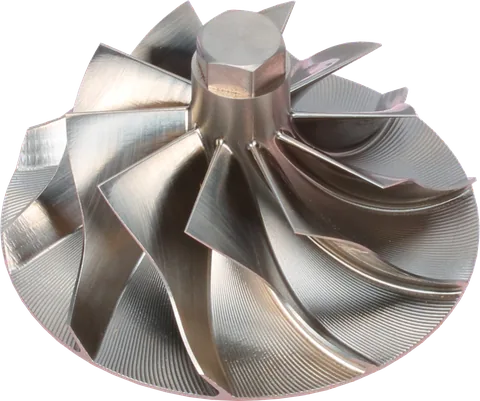
A turbo compressor map helps you check whether a compressor can supply your engine’s airflow and boost efficiently across its operating range.
turbo compressor map
how to read a turbocharger compressor map
turbocharger corrected airflow calculation
Read guide
Buyer Guides
4 min read
A practical fitment checklist for B2B turbo buyers comparing OE references, engine data, photos and installation details before bulk orders.
turbo fitment
verify turbo
B2B turbo buyer
Read guide
Buyer Guides
10 min read
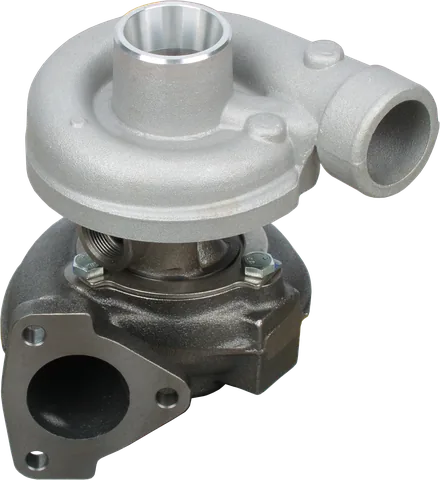
The single vs twin turbo decision for a working diesel depends on its load cycle, engine layout, installation space, and service requirements.
single vs twin turbo
single turbocharger vs twin turbochargers
single turbocharger for inline diesels
Read guide
Buyer Guides
11 min read
The supercharger vs turbocharger choice on a diesel comes down to how each system powers its compressor, supplies low-speed air, and affects fuel use and maintenance.
supercharger vs turbocharger
supercharger vs turbocharger on diesel engines
supercharger vs turbocharger fuel efficiency
Read guide
Buyer Guides
10 min read
Good turbo sizing for diesel engine applications starts with airflow and duty cycle, then checks whether both sides of the turbocharger can support the job.
turbo sizing for diesel engine
how to choose a diesel turbocharger
turbocharger airflow requirements
Read guide
Buyer Guides
11 min read
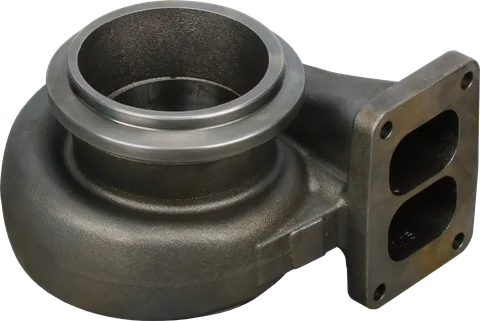
Twin-scroll turbochargers separate selected exhaust pulses to improve how they reach the turbine, but the right replacement depends on your engine’s original housing and manifold.
twin scroll vs single scroll turbo
twin scroll vs single scroll turbocharger
how does a twin-scroll turbocharger work
Read guide
Buyer Guides
4 min read
Use a practical pre-installation checklist to reduce repeat turbo failure caused by oil supply, drain, intake, exhaust and actuator problems.
replacement turbocharger installation
turbo installation checklist
pre-install turbo checks
Read guide
Component Guides
4 min read
Choose between a CHRA cartridge and a complete turbocharger by checking housing condition, actuator risk, installation time and rebuild economics.
CHRA
turbo cartridge
complete turbocharger
Read guide
Component Guides
4 min read
Compare aluminum, billet, stainless steel and titanium alloy compressor wheel choices for rebuild programs and specialty turbo applications.
compressor wheel
billet compressor wheel
titanium compressor wheel
Read guide
Component Guides
4 min read
Match repair kits by turbo model, bearing stack, seal plate and rebuild scope before buying minor, major or overhaul kits.
turbo repair kit
minor kit
major kit
Read guide
Engine Turbo Guides
12 min read
Choosing a replacement turbocharger for a Cummins 5.9L B-series diesel starts with identifying the installed unit and understanding why it failed.
Cummins 6BT turbo
how to identify a 6bt turbocharger
cummins 6bt turbocharger failure symptoms
Read guide
Engine Turbo Guides
11 min read
Choose a replacement turbocharger for a Cummins 6CT or ISL by matching its identification numbers, checking the complete installation, and correcting the cause of failure.
Cummins ISL turbo
which turbocharger fits a cummins isl
hx40w vs he400wg turbocharger
Read guide
Engine Turbo Guides
11 min read
Choose a replacement turbo for your Cummins M11, ISM, N14 or 855 by matching identification numbers, checking the installation and correcting the original failure.
Cummins M11 turbo
how to identify a cummins m11 turbo
why is my m11 turbocharger whistling
Read guide
Engine Turbo Guides
12 min read
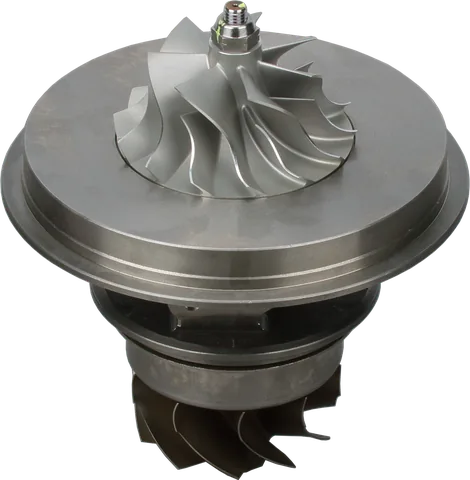
Identify your Detroit Series 60 turbo, investigate the cause of failure, and choose replacement parts that match the installed assembly.
Detroit Series 60 turbo
detroit series 60 turbocharger symptoms
series 60 turbocharger identification
Read guide
Engine Turbo Guides
12 min read
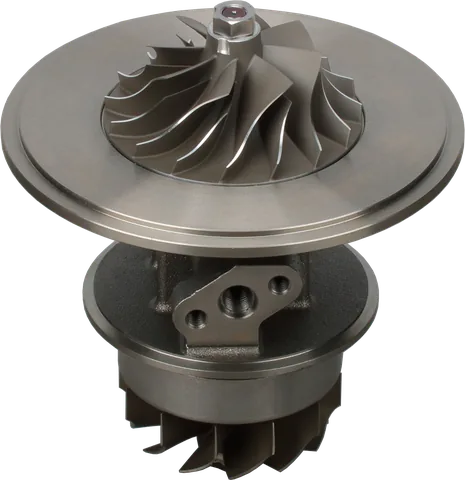
A successful DT466 turbo replacement starts with identifying the installed unit and correcting the problem that caused it to fail.
DT466 turbo
is my dt466 turbocharger failing
how do i identify a dt466 turbocharger
Read guide
Engine Turbo Guides
11 min read
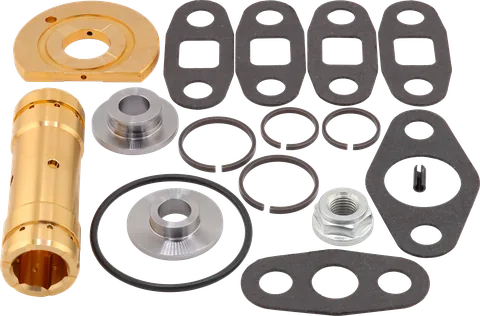
Choosing a replacement Hino J08 turbo or P11C turbocharger starts with identifying the original unit and finding the cause of its failure.
Hino J08 turbo
why is my j08 turbocharger losing boost
hino j08 turbocharger whine
Read guide
Engine Turbo Guides
12 min read
Comparing an HX35W with an HX40W starts with the complete turbo identification number, because model names alone cannot establish replacement compatibility.
HX35W vs HX40W
hx35w vs hx40w turbocharger differences
how to identify an hx35w turbocharger
Read guide
Engine Turbo Guides
11 min read
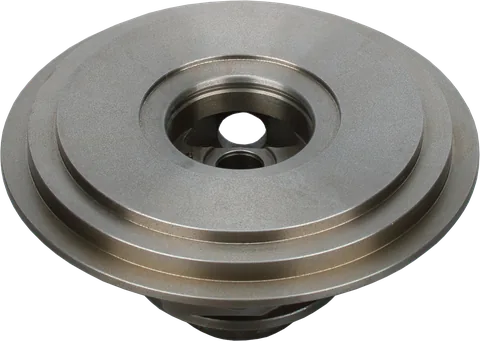
Choosing a replacement turbocharger for an Isuzu diesel starts with the existing turbo’s identification numbers and a diagnosis of why it failed.
Isuzu 4HK1 turbo
why does my 4hk1 turbocharger whine
how does a 4hk1 turbocharger work
Read guide
Engine Turbo Guides
12 min read
Choosing an OM366 turbo or OM352 replacement starts with identifying the installed unit, checking its exact specification, and correcting the cause of failure.
OM366 turbo
which turbocharger fits an om352 engine
how to identify an om366 turbo
Read guide
Engine Turbo Guides
12 min read
Choosing a replacement Mitsubishi 4D56 turbo or 4M40 turbo starts with identifying the installed unit and understanding what caused the original problem.
4D56 turbo
how to identify a 4d56 turbocharger
td04 vs tf035 turbocharger
Read guide
Engine Turbo Guides
12 min read
Choosing a replacement Toyota diesel turbo starts with identifying the installed unit, checking its application, and finding the cause of the original failure.
1KD-FTV turbo
how to identify a 1kd-ftv turbo
low boost on a 1kd-ftv turbocharger
Read guide
Engine Turbo Guides
12 min read
Identify your Volvo D12 or D13 turbo, diagnose the cause of failure, and choose a replacement that matches the original assembly.
Volvo D13 turbo
how to identify a d13 turbocharger
volvo d12 turbocharger replacement options
Read guide
Failure & Diagnosis
11 min read
Ball bearing turbo failure can cause changing noise, rough rotation, and excessive movement, but sound alone cannot identify the damaged component.
ball bearing turbo failure
ball bearing turbocharger failure symptoms
how to diagnose ball bearing turbocharger failure
Read guide
Failure & Diagnosis
4 min read
Oil at the turbo does not always mean the turbo is defective. Check drain restriction, crankcase pressure, worn seals and installation conditions first.
turbo oil leak
turbo seals
oil drain
Read guide
Failure & Diagnosis
11 min read
Compressor surge is unstable airflow through a turbocharger, and the flutter you hear after lifting off the throttle can be one sign of it.
compressor surge
turbocharger surge vs flutter
turbocharger flutter after throttle lift
Read guide
Failure & Diagnosis
10 min read
A cracked turbine housing may be reusable only when its location and condition meet the exact turbocharger's OEM inspection criteria.
cracked turbine housing
how to inspect turbocharger housing cracks
why do turbocharger housings crack
Read guide
Failure & Diagnosis
11 min read
Diagnosing high EGT on a diesel starts with confirming the reading, then checking air supply, fuel delivery and the load on the engine.
high EGT diesel
pre-turbo vs post-turbo egt
how does turbocharger boost affect egt
Read guide
Failure & Diagnosis
5 min read
Identify bearing wear, wheel contact, oil starvation, overspeed, foreign object damage and installation causes before ordering replacement turbo parts.
turbocharger failure diagnosis
failed turbocharger
turbo failure modes
Read guide
Failure & Diagnosis
12 min read
If your replacement turbo failed quickly, investigate the conditions that damaged it before installing another.
replacement turbo failed
why did my new turbocharger fail
low boost after turbocharger replacement
Read guide
Failure & Diagnosis
11 min read
Blue exhaust smoke—often described as turbo blue smoke—usually points to burning oil, but identifying whether it comes from the turbocharger, crankcase ventilation, or engine requires more than watching the tailpipe.
turbo blue smoke
how to diagnose turbocharger blue smoke
turbocharger smoking at idle
Read guide
Failure & Diagnosis
10 min read
At low engine speed, turbo diesel black smoke often appears when fueling rises faster than the air supply needed for clean combustion.
turbo diesel black smoke
turbo diesel black smoke at low rpm
turbocharger black smoke under load
Read guide
Failure & Diagnosis
11 min read
Turbo oil starvation can destroy a replacement turbocharger unless the oil supply fault is found, corrected, and checked before startup.
turbo oil starvation
turbocharger oil starvation symptoms
how does oil starvation damage a turbocharger
Read guide
Failure & Diagnosis
13 min read
Turbo oil whirl is an oil-film-driven orbit of the shaft that can remain controlled, while oil whip involves a potentially destructive rotor resonance.
turbo oil whirl
what causes turbocharger oil whirl
turbocharger oil whirl vs oil whip
Read guide
Failure & Diagnosis
11 min read
Turbo overspeed can damage a compressor wheel even when boost looks normal, so diagnosis must consider airflow, inlet conditions, and boost control.
turbo overspeed
turbo overspeed vs overboost
what causes diesel turbocharger overspeed
Read guide
Failure & Diagnosis
12 min read
A metallic turbo rattle often comes from loose exhaust hardware or boost-control parts, but scraping, smoke, or lost boost calls for a closer inspection.
turbo rattle
why is my turbocharger rattling
turbocharger rattle at idle
Read guide
Failure & Diagnosis
12 min read
Some side-to-side turbo shaft play can be normal in a stopped journal-bearing turbocharger, but judging its condition requires the correct measurements, manufacturer limits, and a check for damage.
turbo shaft play
how much turbocharger shaft play is normal
turbocharger radial vs axial play
Read guide
Failure & Diagnosis
11 min read
A useful turbo warranty claim preserves physical evidence and engine history so reviewers can assess the failure and technicians can prevent a repeat.
turbo warranty claim
why turbocharger warranty claims are rejected
turbocharger warranty claim evidence
Read guide
Failure & Diagnosis
11 min read
Before replacing a worn turbocharger, trace turbo bearing wear back to its oil supply, contamination, operating temperature, or rotor loading so the replacement has a sound starting point.
turbo bearing wear
what causes turbocharger bearing wear
diesel turbocharger bearing wear
Read guide
Failure & Diagnosis
10 min read
Finding the origin of compressor wheel cracking helps diesel shops separate fatigue from physical damage and prevent the next failure.
compressor wheel cracking
what causes turbocharger compressor wheel cracking
turbocharger compressor wheel fatigue vs impact damage
Read guide
Failure & Diagnosis
12 min read
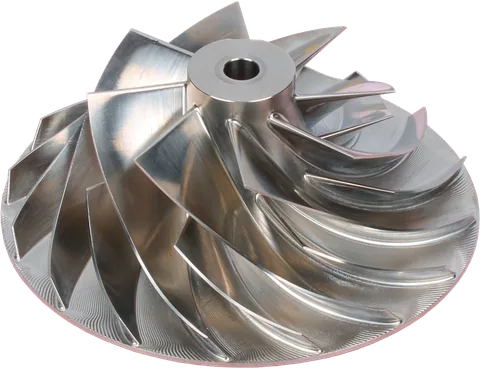
Bent or chipped turbo blades are a reason to stop and trace the debris path before a replacement turbocharger suffers the same damage.
turbo foreign object damage
turbocharger compressor vs turbine damage
diesel turbocharger foreign object damage
Read guide
Failure & Diagnosis
10 min read
A turbo oil leak exhaust side complaint requires checking the fluid, engine conditions, and oil return before deciding whether the turbocharger has failed.
turbo oil leak exhaust side
how to diagnose turbocharger exhaust oil leaks
diesel turbocharger leaking oil at idle
Read guide

Failure & Diagnosis
11 min read
Turbo thrust bearing failure allows excessive shaft movement along its axis, but preventing another failure means finding what damaged the bearing or overloaded its oil film.
turbo thrust bearing failure
turbocharger thrust bearing failure symptoms
what causes turbocharger thrust bearing failure
Read guide
Failure & Diagnosis
11 min read
Finding the cause of turbine blade cracking means separating repeated vibration from heat damage, contact and material defects before fitting another turbocharger.
turbine blade cracking
what causes turbocharger turbine blade cracking
turbocharger vibration fatigue vs heat damage
Read guide
Failure & Diagnosis
10 min read
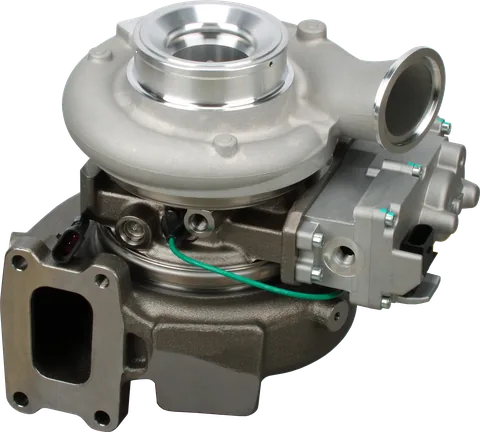
Wheel contact means lost clearance, so inspect the rotor, housings, and engine systems before fitting another turbocharger.
turbo wheel rubbing housing
diesel turbocharger wheel rubbing
how to check turbocharger wheel rubbing
Read guide
Failure & Diagnosis
12 min read
Turbo whine can be normal spool sound, an air leak, or a bearing problem; changes in pitch, load, and performance help narrow the cause.
turbo whine
why is my turbocharger whining
turbocharger whine when accelerating
Read guide
Maintenance
13 min read
The right oil protects a turbocharger by reaching its bearings promptly, maintaining a lubricating film under heat and load, and meeting the engine manufacturer's specifications.
best oil for turbo engine
how to choose turbocharger oil
best oil for a diesel turbocharger
Read guide
Maintenance
11 min read
Selecting the right boost hose and clamps helps a diesel hold boost through heat cycles, vibration and engine movement.
boost hose and clamps
diesel turbocharger boost leak symptoms
why turbocharger hoses blow off
Read guide
Maintenance
11 min read
An exhaust temperature gauge helps diesel operators recognize increasing thermal load, interpret boost changes, and reduce demand before excessive heat damages the engine or turbocharger.
EGT gauge diesel
egt probe before or after the turbocharger
turbocharger inlet vs outlet temperature
Read guide
Maintenance
11 min read
Learning how to rebuild a turbocharger starts with checking reusable parts, choosing the right repair route, and planning the precision work before teardown.
how to rebuild a turbocharger
how to rebuild a diesel turbocharger
turbocharger rebuild vs replacement
Read guide
Maintenance
11 min read
An intercooler leak test helps you find lost boost, protect the turbocharger, and decide whether a charge air cooler belongs back in service.
intercooler leak test
can intercooler leaks damage a turbocharger
diesel turbocharger boost leak symptoms
Read guide
Maintenance
11 min read
A reliable replacement turbo installation starts with a clean engine system, verified parts, careful priming, and a controlled first run.
replacement turbo installation
diesel turbocharger installation procedure
how to prime a new turbocharger
Read guide
Maintenance
11 min read
Turbo oil coking starts when excessive heat degrades oil into deposits, making shutdown habits, correct lubrication, and effective cooling important to turbocharger life.
turbo oil coking
turbocharger heat soak after shutdown
turbocharger cool down after towing
Read guide
Maintenance
12 min read
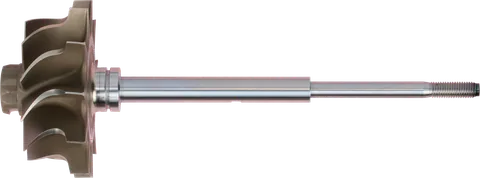
Correct compressor nut torque establishes the clamp load that keeps a diesel turbocharger's compressor wheel secure without overstressing the shaft.
compressor nut torque
diesel turbocharger compressor nut torque
how to tighten a turbocharger nut
Read guide
Maintenance
11 min read
A turbocharger inspection checklist helps diesel rebuilders decide which used parts can return to service and which need replacement.
turbocharger inspection checklist
how to inspect a used turbocharger
diesel turbocharger inspection before rebuilding
Read guide
Maintenance
11 min read
A correctly installed turbo oil drain line, matched oil supply, and clean connections help protect a replacement turbocharger from leaks and early bearing damage.
turbo oil drain line
turbocharger oil drain line routing
diesel turbocharger oil drain angle
Read guide
Material Guides
5 min read
Life-cycle analysis of Si-Mo ductile iron turbocharger turbine housings, covering thermal fatigue, oxidation, casting quality and material selection.
Si-Mo ductile iron turbocharger housing
turbocharger turbine housing material
SiMo volute
Read guide
Material Guides
4 min read
Compare titanium alloy compressor wheel options with aluminum and stainless compressor wheel choices for lightweight turbocharger design, durability and procurement.
titanium alloy compressor wheel
titanium compressor wheel
lightweight turbocharger design
Read guide
Material Guides
5 min read
Understand why genuine IN713C turbine wheel material, casting control and supplier traceability matter for turbo rebuild reliability.
IN713C turbine wheel
Inconel 713C
turbo turbine wheel material
Read guide
Material Guides
6 min read
Why HX83 turbocharger compressor wheels use titanium alloy for fatigue margin, heat resistance, rotor safety and lower industrial downtime risk.
HX83 turbo compressor wheel
HX83 titanium compressor wheel
Holset HX83 turbo
Read guide
Material Guides
5 min read
Why induction hardening is used on Turbine Wheels at the shaft journal and floating bearing interface, including wear resistance, case depth and reman inspection.
Turbine Wheels induction hardening
turbine wheel shaft journal hardening
floating bearing journal hardening
Read guide
Part Number Guides
4 min read
Use turbo tags, OE references, casting marks and cross references to reduce wrong-fit risk before ordering replacement turbo parts.
turbocharger part number
OE reference
cross reference
Read guide
Technical Guides
10 min read
A diesel blow off valve usually adds sound and another potential leak point, because most diesels do not close an intake throttle whenever the driver lifts off.
diesel blow off valve
how turbocharger blow off valves work
do blow off valves increase turbocharger boost
Read guide
Technical Guides
11 min read
An electric turbocharger uses electrical assistance to improve boost response, but its design, power supply, and service requirements differ from those of a conventional turbocharger.
electric turbocharger
how does an electric turbocharger work
electric turbocharger vs hybrid turbo
Read guide
Technical Guides
11 min read
The history of the turbocharger follows a practical goal: getting more useful work from an engine by recovering energy from its exhaust.
history of the turbocharger
who invented the turbocharger
diesel turbocharger history
Read guide
Technical Guides
11 min read
How fast does a turbo spin? A small automotive turbocharger can spin well above 100,000 rpm, making wheel strength, precise balancing, and reliable lubrication essential to its survival.
how fast does a turbo spin
small automotive turbocharger rpm
maximum turbocharger shaft speed
Read guide
Technical Guides
11 min read
A diesel's safe boost limit depends on combustion pressure, heat, turbocharger speed, and the hardware and calibration designed to control them.
how much boost can a diesel handle
diesel turbocharger boost limits
turbocharger boost vs cylinder pressure
Read guide
Technical Guides
11 min read
A marine diesel turbocharger must match the engine's working load, cooling system, and installation, while a genset turbo must also handle electrical load changes.
marine diesel turbocharger
marine diesel turbocharger replacement
generator set turbocharger replacement
Read guide
Technical Guides
11 min read
A Miller cycle diesel uses intake valve timing and turbocharger boost together to reduce compression heating while keeping the full expansion stroke.
Miller cycle diesel
how turbocharger boost supports miller timing
why miller diesels need more turbocharger boost
Read guide
Technical Guides
10 min read
Choosing between pulse turbocharging and constant-pressure layouts means deciding how exhaust energy reaches the turbine across the engine's working load range.
pulse turbocharging
how does exhaust power a turbocharger
diesel turbocharger exhaust flow
Read guide
Technical Guides
12 min read
In a turbocharger, turbine wheel inertia affects how quickly the rotor accelerates, but useful response gains depend on wheel design, exhaust energy, bearings, and engine calibration.
turbine wheel inertia
how turbine wheel inertia affects turbocharger response
lightweight turbocharger turbine wheel
Read guide
Technical Guides
11 min read
Turbo balancing helps a rebuilt turbocharger run smoothly by controlling tiny mass differences that become serious loads at high shaft speeds.
turbo balancing
how is a turbocharger balanced
signs of an unbalanced turbocharger
Read guide
Technical Guides
11 min read
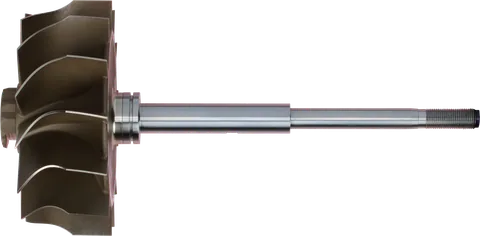
Understanding turbo critical speed helps you connect vibration reports to rotor behavior, bearing condition, and the consequences of changing wheels or clearances.
turbo critical speed
turbo critical speed vs maximum speed
diesel turbocharger critical speed
Read guide
Technical Guides
11 min read
Testing exhaust back pressure on a turbo diesel helps explain low power and high EGT when boost, airflow, and operating conditions are evaluated together.
exhaust back pressure
exhaust back pressure vs turbocharger boost
what causes high turbocharger drive pressure
Read guide
Technical Guides
11 min read
A turbo exhaust manifold must deliver usable exhaust energy to the turbine, limit interference between cylinders, and survive repeated heating and cooling without leaking or cracking.
turbo exhaust manifold
diesel turbocharger exhaust manifold replacement
how does manifold size affect turbocharger response
Read guide
Technical Guides
11 min read
A turbocharger containment test checks whether the housing and its joints can retain dangerous wheel fragments when a rotating wheel bursts.
turbocharger containment test
why do turbocharger wheels burst
how does turbocharger containment work
Read guide

Technical Guides
10 min read
Turbocharger floating ring bearing operating conditions determine how the shaft moves within its oil films. Explore an engineering simulation, then connect oil whirl, temperature, pressure and clearance to practical inspection decisions.
turbocharger floating ring bearing operating conditions
turbocharger floating ring bearing oil whirl operating range
floating ring bearing sub-synchronous vibration diagnosis
Read guide
Technical Guides
11 min read
A used journal needs more than a shiny appearance: turbo shaft surface finish, dimensions, and material condition must support a reliable oil film.
turbo shaft surface finish
turbocharger shaft surface roughness
what causes turbocharger shaft scoring
Read guide
Technical Guides
12 min read
These 40 turbocharger terms explain the language of diesel boost systems so you can read service information, interpret part listings, and discuss repairs clearly.
turbocharger terms
diesel turbocharger terms
how to read turbocharger specifications
Read guide
Technical Guides
12 min read
Turbocharger testing checks how a turbocharger moves air, controls shaft motion, survives heat, and operates as an assembly before facing real engine conditions.
turbocharger testing
how does a turbocharger gas stand work
turbocharger bench testing vs engine testing
Read guide
Technical Guides
12 min read
Turbo vibration analysis becomes more useful when you track how vibration frequencies change with shaft speed and connect those patterns to reliable measurements.
turbo vibration analysis
why is my turbocharger vibrating
how to read turbocharger waterfall plots
Read guide
Technical Guides
11 min read
Wheel geometry, housing design and engine plumbing determine turbo efficiency across a diesel's working range.
turbo efficiency
turbocharger wheel design
diesel turbocharger efficiency
Read guide
Technical Guides
10 min read
In diesel engines, turbocompounding recovers exhaust energy as shaft or electrical power, while compound charging combines devices that supply pressurized intake air.
turbocompounding
turbocharger vs power turbine
how does turbocharger energy recovery work
Read guide
Technical Guides
12 min read
Understanding how a two stage turbocharger system shares airflow and exhaust energy helps you diagnose poor boost, rough transitions, and which unit actually needs replacement.
two stage turbocharger
how does a two stage turbocharger work
series vs parallel turbocharger systems
Read guide
Technical Guides
11 min read
Low-speed balancing corrects individual rotating parts, while VSR turbo balancing checks and refines how the assembled core behaves at high speed.
VSR turbo balancing
low-speed vs high-speed turbocharger balancing
how does low-speed turbocharger balancing work
Read guide
Technical Guides
12 min read
Understanding how wastegates and variable geometry turbos control exhaust energy helps you diagnose boost problems and order the right replacement.
wastegate vs VGT
wastegate vs vgt turbocharger boost control
how does a turbocharger wastegate work
Read guide
Technical Guides
12 min read
Turbo lag comes from the time needed to accelerate the turbocharger and build intake pressure, but a new delay can point to a fault.
what causes turbo lag
turbocharger lag vs boost threshold
how to diagnose slow turbocharger response
Read guide
Technical Guides
11 min read
An intercooler cools the compressed air leaving a diesel's turbocharger, helping the cylinders receive more air without relying on higher boost.
what does an intercooler do
turbocharger vs intercooler
diesel intercooler heat soak
Read guide
Turbo Components
11 min read
The billet vs cast compressor wheel decision should start with your diesel's duty cycle, the turbocharger specification, and evidence of durability.
billet vs cast compressor wheel
billet vs cast turbocharger wheels
billet turbocharger wheels for diesel engines
Read guide
Turbo Components
11 min read
A turbo floating bearing supports the shaft on oil films, and understanding those films helps you judge wear, compare repair kits, and choose a replacement CHRA.
turbo floating bearing
how turbocharger floating bearings work
automotive turbocharger floating bearings
Read guide
Turbo Components
12 min read
A turbo compressor raises intake pressure by adding energy at the wheel, then slowing that air through the diffuser and housing.
how does a turbo compressor work
how does a turbocharger compressor build pressure
turbocharger compressor inducer vs exducer
Read guide
Turbo Components
11 min read
A turbocharger controls oil with metal rings, rotating deflectors, pressure balance, and a clear drain rather than a rubber lip rubbing on the shaft.
turbo seals
how turbo seals work
turbocharger compressor seals vs turbine seals
Read guide
Turbo Components
11 min read
For a stock wastegated diesel, the internal vs external wastegate choice usually favors the original layout and factory actuator calibration.
internal vs external wastegate
internal vs external turbocharger wastegates
how does a turbocharger wastegate work
Read guide
Turbo Components
11 min read
The right turbine housing A/R helps a diesel turbocharger build boost promptly while managing exhaust restriction at its intended engine rating.
turbine housing A/R
how does a turbocharger turbine housing work
small vs large turbocharger a/r
Read guide
Turbo Components
11 min read
Understanding turbine wheel trim helps diesel rebuilders compare hot sides, preserve performance under load, and order components that fit together correctly.
turbine wheel trim
which turbocharger turbine wheel size to order
how to calculate turbocharger turbine trim
Read guide
Turbo Components
12 min read
Turbocharger bearings control shaft movement, but a lasting repair also depends on lubrication, mating surfaces, rotor balance and the cause of the original damage.
turbo bearings
turbocharger bearings
can you replace turbo bearings
Read guide
Turbo Components
11 min read
A turbo heat shield can protect nearby diesel engine components, but selecting and fitting the right protection matters more than covering everything hot.
turbo heat shield
turbo heat shield vs blanket
heat damage after turbocharger replacement
Read guide
Turbo Components
12 min read
Choosing a turbo thrust bearing means matching its oil-film design, material, and mating parts to the turbocharger—not simply buying the kit with more bearing coverage.
turbo thrust bearing
how does a turbocharger thrust bearing work
turbocharger thrust bearing materials
Read guide
Turbo Components
11 min read
Understanding compressor trim helps you compare wheel proportions and choose diesel replacement parts without mistaking a size ratio for a performance rating.
compressor trim
turbocharger inducer vs exducer
how to calculate turbocharger compressor trim
Read guide
Turbo Components
10 min read
Choosing the right turbine wheel material means matching heat resistance, fatigue strength, and manufacturing quality to the engine's actual duty.
turbine wheel material
why does a diesel turbocharger use nickel
nickel vs ceramic turbocharger turbine wheels
Read guide
Turbo Components
10 min read
In a diesel turbocharger, turbine wheel shaft welding joins a heat-resistant wheel to a steel shaft so both can operate as one balanced rotor.
turbine wheel shaft welding
how is a turbocharger shaft welded
turbocharger friction welding vs electron beam welding
Read guide
Turbo Components
10 min read
A water cooled turbo needs both oil and coolant connections, while an oil-only center housing relies on oil flow and its designed heat protection.
water cooled turbo
water cooled turbo vs oil-cooled turbocharger
turbocharger coolant ports
Read guide