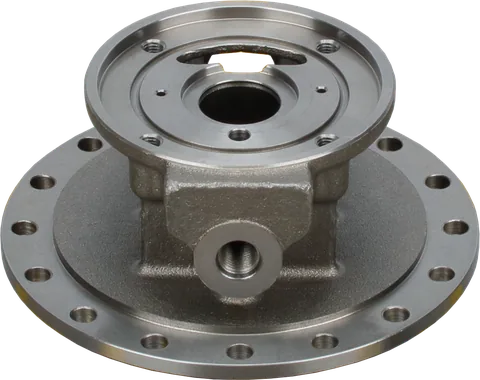
Maintenance
13 min read
The right oil protects a turbocharger by reaching its bearings promptly, maintaining a lubricating film under heat and load, and meeting the engine manufacturer's specifications.
best oil for turbo engine
how to choose turbocharger oil
best oil for a diesel turbocharger
Read guide
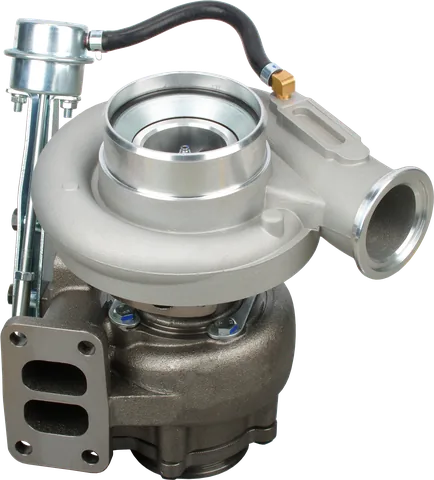
Maintenance
11 min read
Selecting the right boost hose and clamps helps a diesel hold boost through heat cycles, vibration and engine movement.
boost hose and clamps
diesel turbocharger boost leak symptoms
why turbocharger hoses blow off
Read guide
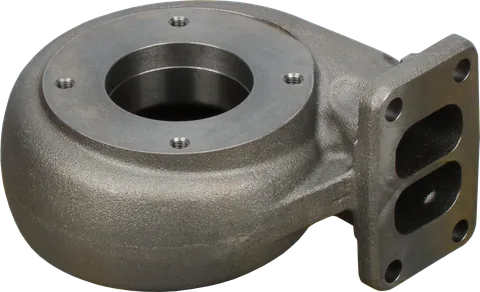
Maintenance
11 min read
An exhaust temperature gauge helps diesel operators recognize increasing thermal load, interpret boost changes, and reduce demand before excessive heat damages the engine or turbocharger.
EGT gauge diesel
egt probe before or after the turbocharger
turbocharger inlet vs outlet temperature
Read guide
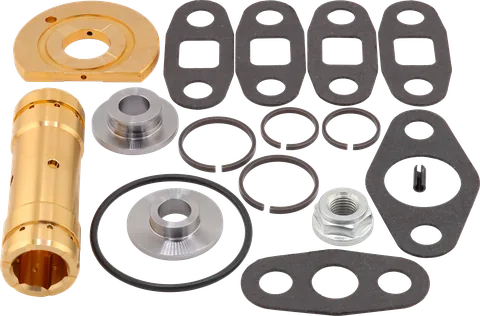
Maintenance
11 min read
Learning how to rebuild a turbocharger starts with checking reusable parts, choosing the right repair route, and planning the precision work before teardown.
how to rebuild a turbocharger
how to rebuild a diesel turbocharger
turbocharger rebuild vs replacement
Read guide
Maintenance
11 min read
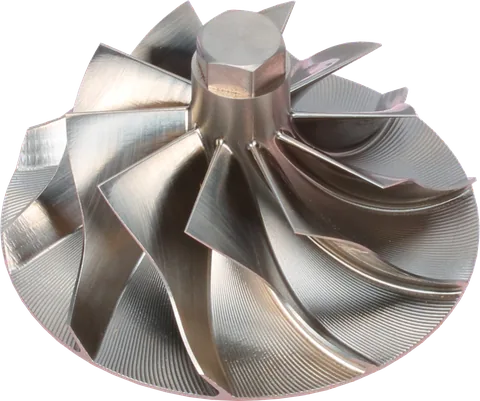
An intercooler leak test helps you find lost boost, protect the turbocharger, and decide whether a charge air cooler belongs back in service.
intercooler leak test
can intercooler leaks damage a turbocharger
diesel turbocharger boost leak symptoms
Read guide
Maintenance
11 min read
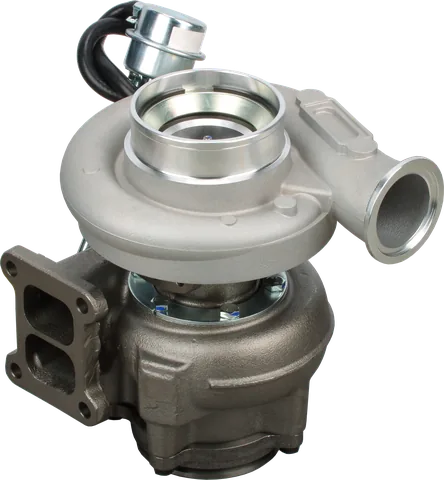
A reliable replacement turbo installation starts with a clean engine system, verified parts, careful priming, and a controlled first run.
replacement turbo installation
diesel turbocharger installation procedure
how to prime a new turbocharger
Read guide
Maintenance
11 min read
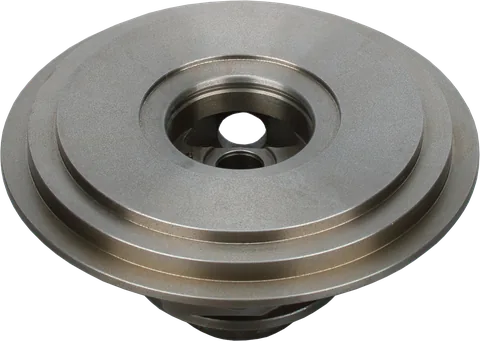
Turbo oil coking starts when excessive heat degrades oil into deposits, making shutdown habits, correct lubrication, and effective cooling important to turbocharger life.
turbo oil coking
turbocharger heat soak after shutdown
turbocharger cool down after towing
Read guide
Maintenance
12 min read
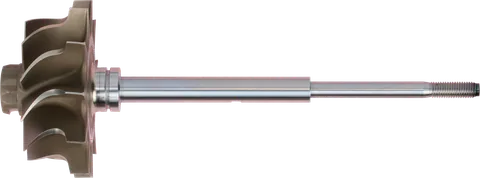
Correct compressor nut torque establishes the clamp load that keeps a diesel turbocharger's compressor wheel secure without overstressing the shaft.
compressor nut torque
diesel turbocharger compressor nut torque
how to tighten a turbocharger nut
Read guide
Maintenance
11 min read
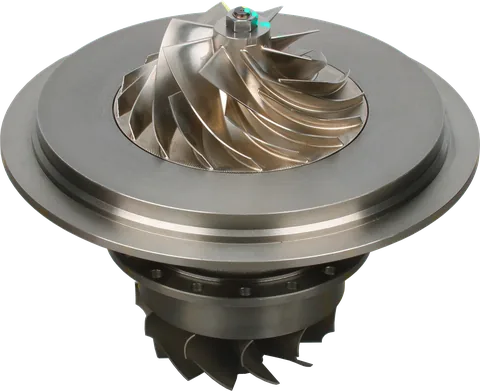
A turbocharger inspection checklist helps diesel rebuilders decide which used parts can return to service and which need replacement.
turbocharger inspection checklist
how to inspect a used turbocharger
diesel turbocharger inspection before rebuilding
Read guide
Maintenance
11 min read
A correctly installed turbo oil drain line, matched oil supply, and clean connections help protect a replacement turbocharger from leaks and early bearing damage.
turbo oil drain line
turbocharger oil drain line routing
diesel turbocharger oil drain angle
Read guide