Turbo Components
11 min read
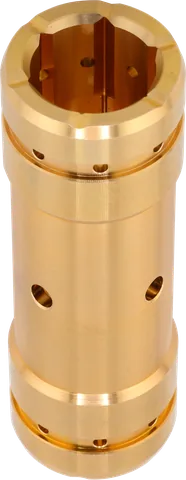
A turbo floating bearing supports the shaft on oil films, and understanding those films helps you judge wear, compare repair kits, and choose a replacement CHRA.
turbo floating bearing
how turbocharger floating bearings work
automotive turbocharger floating bearings
Read guide
Turbo Components
12 min read
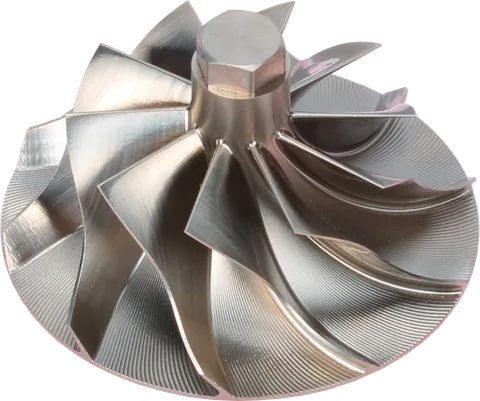
A turbo compressor raises intake pressure by adding energy at the wheel, then slowing that air through the diffuser and housing.
how does a turbo compressor work
how does a turbocharger compressor build pressure
turbocharger compressor inducer vs exducer
Read guide
Turbo Components
11 min read
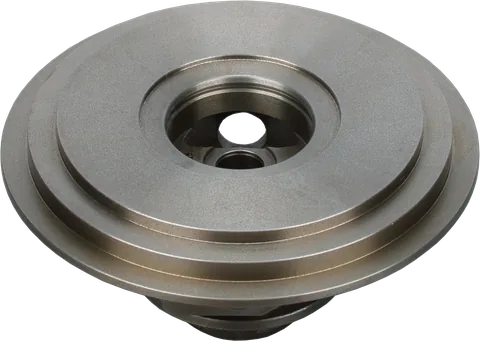
A turbocharger controls oil with metal rings, rotating deflectors, pressure balance, and a clear drain rather than a rubber lip rubbing on the shaft.
turbo seals
how turbo seals work
turbocharger compressor seals vs turbine seals
Read guide
Turbo Components
11 min read
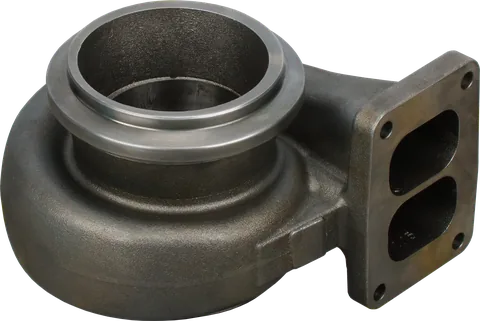
The right turbine housing A/R helps a diesel turbocharger build boost promptly while managing exhaust restriction at its intended engine rating.
turbine housing A/R
how does a turbocharger turbine housing work
small vs large turbocharger a/r
Read guide
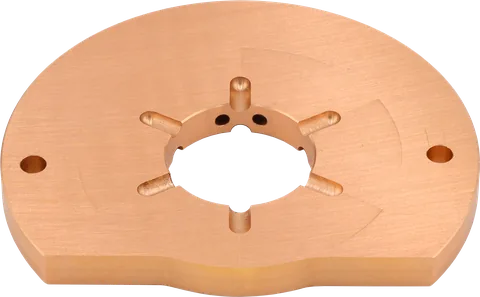
Turbo Components
12 min read
Choosing a turbo thrust bearing means matching its oil-film design, material, and mating parts to the turbocharger—not simply buying the kit with more bearing coverage.
turbo thrust bearing
how does a turbocharger thrust bearing work
turbocharger thrust bearing materials
Read guide
Turbo Components
10 min read
A water cooled turbo needs both oil and coolant connections, while an oil-only center housing relies on oil flow and its designed heat protection.
water cooled turbo
water cooled turbo vs oil-cooled turbocharger
turbocharger coolant ports
Read guide