Buyer Guides
11 min read
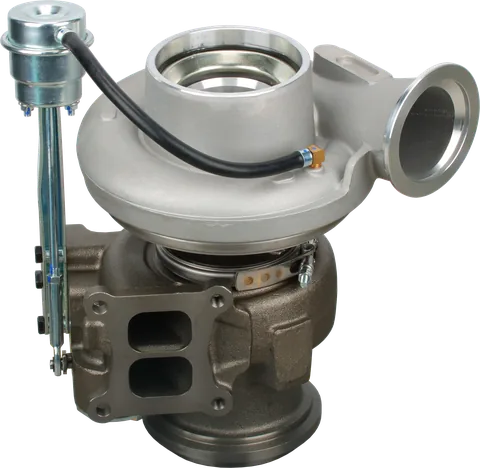
An aftermarket vs OEM turbo comparison is useful only when it checks application fit, manufacturing control, and the evidence behind a new or remanufactured unit.
aftermarket vs OEM turbo
aftermarket vs oem turbocharger
remanufactured vs new turbocharger
Read guide
Buyer Guides
10 min read
Choosing between an air-to-air and a water-to-air intercooler depends on the available cooling source, sustained engine load, service access, and the specifications your diesel was built around.
air-to-air vs water-to-air intercooler
air-to-air vs water-to-air turbocharger intercooler
turbocharger intercooler pressure drop
Read guide
Buyer Guides
11 min read
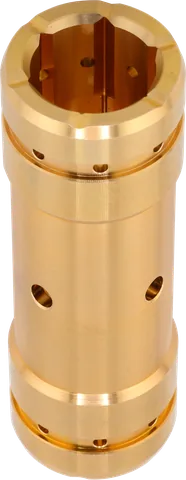
The ball bearing vs journal bearing turbo choice means weighing response, lubrication, repair costs, and compatibility with your engine.
ball bearing vs journal bearing turbo
journal bearing vs ball bearing turbocharger
how do turbocharger bearings work
Read guide
Buyer Guides
10 min read
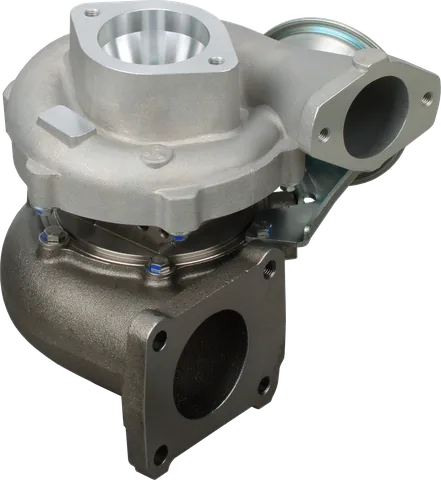
Garrett turbo model numbers describe a design family, but the complete assembly number is what helps identify the correct replacement for your diesel engine.
garrett turbo model numbers
how to read garrett turbocharger tags
garrett turbocharger model number vs part number
Read guide
Buyer Guides
11 min read
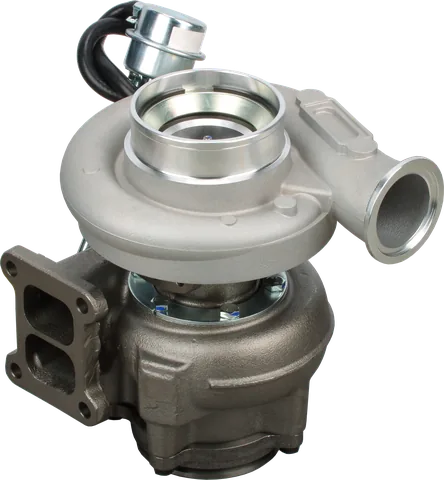
Holset turbo model numbers identify a turbocharger family, but the assembly number and engine details determine which replacement belongs on your diesel.
holset turbo model numbers
how to read a holset turbocharger nameplate
holset hx vs he turbocharger
Read guide
Buyer Guides
11 min read
Learning how to choose a replacement turbo means matching the engine's original specification, verifying fitment, and comparing everything the order includes.
how to choose a replacement turbo
how to choose a replacement turbocharger
will replacing my truck turbocharger restore boost
Read guide
Buyer Guides
12 min read
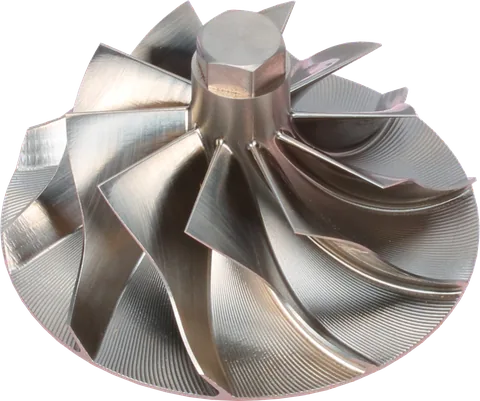
A turbo compressor map helps you check whether a compressor can supply your engine’s airflow and boost efficiently across its operating range.
turbo compressor map
how to read a turbocharger compressor map
turbocharger corrected airflow calculation
Read guide
Buyer Guides
4 min read
A practical fitment checklist for B2B turbo buyers comparing OE references, engine data, photos and installation details before bulk orders.
turbo fitment
verify turbo
B2B turbo buyer
Read guide
Buyer Guides
10 min read
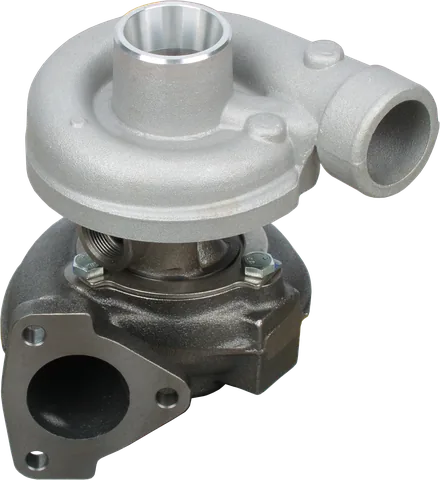
The single vs twin turbo decision for a working diesel depends on its load cycle, engine layout, installation space, and service requirements.
single vs twin turbo
single turbocharger vs twin turbochargers
single turbocharger for inline diesels
Read guide
Buyer Guides
11 min read
The supercharger vs turbocharger choice on a diesel comes down to how each system powers its compressor, supplies low-speed air, and affects fuel use and maintenance.
supercharger vs turbocharger
supercharger vs turbocharger on diesel engines
supercharger vs turbocharger fuel efficiency
Read guide
Buyer Guides
10 min read
Good turbo sizing for diesel engine applications starts with airflow and duty cycle, then checks whether both sides of the turbocharger can support the job.
turbo sizing for diesel engine
how to choose a diesel turbocharger
turbocharger airflow requirements
Read guide
Buyer Guides
11 min read
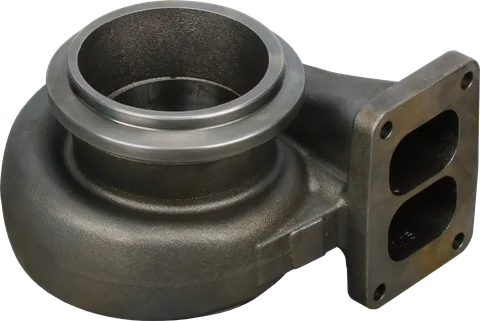
Twin-scroll turbochargers separate selected exhaust pulses to improve how they reach the turbine, but the right replacement depends on your engine’s original housing and manifold.
twin scroll vs single scroll turbo
twin scroll vs single scroll turbocharger
how does a twin-scroll turbocharger work
Read guide
Buyer Guides
4 min read
Use a practical pre-installation checklist to reduce repeat turbo failure caused by oil supply, drain, intake, exhaust and actuator problems.
replacement turbocharger installation
turbo installation checklist
pre-install turbo checks
Read guide